
Spam Wipe field note
What Is Spam Food

By Rosa Bell
Spam food is a shelf-stable canned meat, usually made from pork and ham with salt, water, a binder, sugar and a curing agent. It is fully cooked during can
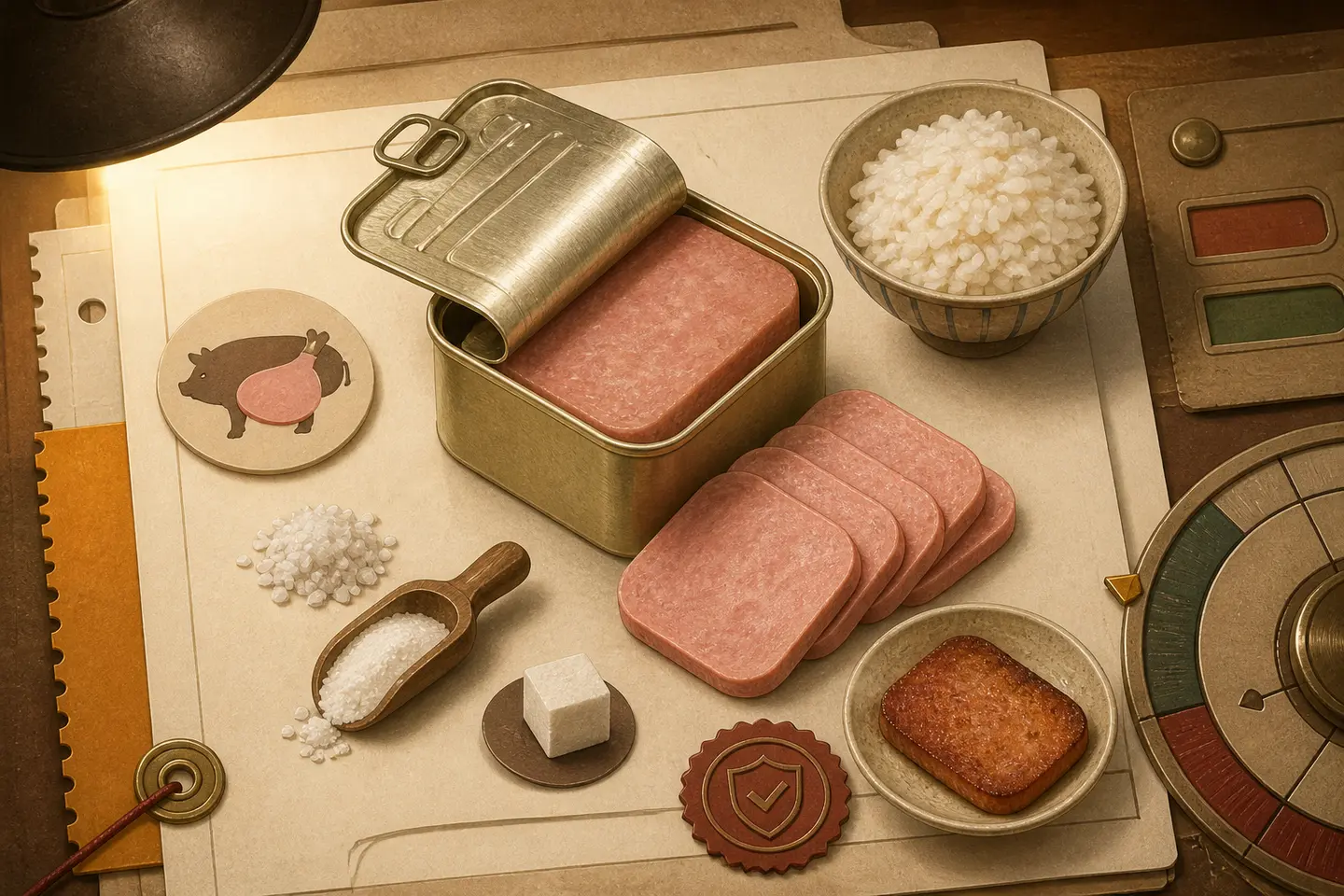
Spam food is a shelf-stable canned meat, usually made from pork and ham with salt, water, a binder, sugar and a curing agent. It is fully cooked during canning, so it can be eaten cold after opening, although frying gives it a crisper texture and deeper savoury flavour.
The compact tin, long unopened storage life and simple preparation helped it travel far beyond its place of origin. A historical overview explains how Spam became a global food staple. It appears in breakfasts, sandwiches, rice dishes, noodles and stews.
What the Name Means
The word refers to a particular style of canned luncheon meat rather than every meat sold in a tin. In everyday speech, however, people sometimes use it loosely for similar blocks of seasoned, finely processed meat. That broader use can cause confusion because recipes and nutrition labels differ between formulations.
For cooking purposes, the useful definition is straightforward: it is a dense, sliceable meat that has already been cooked and sealed in a can. It does not need refrigeration while the can remains unopened and undamaged. Once opened, it should be treated like other cooked meat.
What It Contains
A typical version has a short ingredient list. The exact recipe varies, so the label on the can is the final guide, especially for anyone managing allergies or dietary restrictions. Common components include:
- Pork and ham, which provide the meat base, fat and flavour.
- Salt, for seasoning and curing.
- Water, which helps produce an even texture.
- Starch, which binds moisture and helps the block hold its shape.
- Sugar, used in a small amount to balance the cure.
- Sodium nitrite, a curing agent that contributes to preservation, colour and the familiar cured-meat taste.
The meat is ground or finely chopped, mixed with the other ingredients and portioned into cans. Each can is sealed and heated. This cooks the contents, destroys spoilage organisms and sets the mixture into a firm block. The sealed container then protects it from contamination until it is opened.
The pink colour does not mean the meat is raw. It comes from the curing process. Likewise, the soft fat around a slice is a normal part of this type of product, although any unexpected change in colour, smell or surface after opening is a reason not to eat it.
Taste and Texture
Spam food tastes salty, porky and mildly sweet, with the savoury character associated with cured ham. Straight from the can, it is smooth, dense and slightly springy. It slices cleanly rather than pulling into fibres like roasted meat.
Heat changes it substantially. A thin slice develops crisp edges and a browned surface in a frying pan, while the centre stays tender. Cubes become firm outside but remain soft within. Thick pieces take longer to brown and retain more of the original texture.
Because the meat is already seasoned, it can make a whole dish too salty if combined with salty sauces, cheese, cured meat or stock. Plain rice, potatoes, eggs, beans and fresh vegetables provide useful contrast. Taste the finished dish before adding extra salt.
Nutrition in Context
This canned meat provides protein, but it can also contain substantial sodium, total fat and saturated fat. Values vary by recipe and serving size, so broad figures are less useful than the nutrition panel on the tin you have.
Portion size matters. A few crisp cubes can flavour a vegetable stir-fry or bowl of rice without making canned meat the largest part of the meal. People limiting sodium can also choose smaller portions, avoid salty accompaniments and compare labels before buying.
It is best understood as processed meat, not as a direct nutritional substitute for every fresh cut of pork. That does not prevent it forming part of a varied diet, but its convenience and long storage life should not obscure the salt and fat listed on the label.
How to Cook It
No further cooking is required for safety when the can is sound and the product has been stored correctly. Cooking is mainly about flavour and texture. Four simple methods cover most uses:
- Pan-fry slices. Cut even slices and place them in a dry or lightly oiled pan over medium heat. Turn when the underside is browned. Serve with eggs, rice, toast or vegetables.
- Brown small cubes. Dice the meat and fry until the edges colour. Add the cubes near the end of cooking fried rice, noodles, hash or an omelette so they stay crisp.
- Bake or air-fry pieces. Arrange strips or cubes in one layer and cook until browned, turning as needed. The rendered fat usually limits the need for added oil.
- Use it cold. Thin slices can go into sandwiches or be served with crackers. Keep the opened meat chilled until it is needed.
For easier browning, pat the surface dry and avoid crowding the pan. A sweet glaze can burn before a thick slice heats through, so add sugary sauces late. In soups or stews, add the meat near the end if you want distinct pieces; longer simmering produces a softer texture and distributes more salt through the broth.
Regional Uses
The food became established in several places where canned provisions were widely distributed during wartime and periods of limited fresh supply. Local cooks did more than copy one standard preparation: they paired the meat with familiar staples and seasonings, creating dishes that remain part of everyday cooking.
In Hawaii, musubi places a grilled slice on a compact block of rice and wraps the two with nori. Some versions brush the meat with a sweet and salty glaze. This combination of Spam musubi with rice and seaweed is portable and uses the plain rice to balance the seasoned meat.
In Korean cooking, canned meat may be added to a spicy stew with kimchi, noodles, tofu and vegetables. In the Philippines, fried slices are often paired with garlic rice and eggs. Cooks in Guam, Japan and elsewhere across the Pacific also serve it with rice or noodles. These are distinct local preparations, not a single universal recipe.
Storage and Food Safety
An intact, unopened can belongs in a cool, dry cupboard away from direct sunlight and strong heat. The product is a fully cooked canned meat product, but shelf stability depends on the seal remaining sound.
Check the Can Before Opening
- Do not use a can that is bulging, leaking or badly rusted.
- Reject a can with deep dents on a seam or damage that may have broken the seal.
- Do not taste food from a suspect can to decide whether it is safe.
- Check the printed date and follow the storage instructions on the packaging.
A printed best-before date usually concerns expected quality, but it does not override signs of damage. Harmful contamination cannot always be identified by smell, appearance or a small taste.
After Opening
Transfer unused meat to a clean, covered container rather than storing it in the open tin. Refrigerate it at 4°C or below within two hours, or within one hour in temperatures above 32°C. Use refrigerated leftovers within three to four days.
Use clean utensils and return the container to the refrigerator promptly. Refrigerate cooked leftovers on the same schedule. Discard meat left out too long or showing mould, discolouration, an unusual smell or a sticky surface. When package directions differ, follow the directions supplied with the food.
A Simple First Preparation
For a first taste, cut two thin slices and brown them in a frying pan. Serve them with plain rice or toast, an egg and a portion of vegetables. Keep sauces on the side until you know how salty the meat tastes. Refrigerate the remainder in a covered container as soon as the meal is prepared.